Atiku questions N24.7tn federal borrowing as oil prices rise
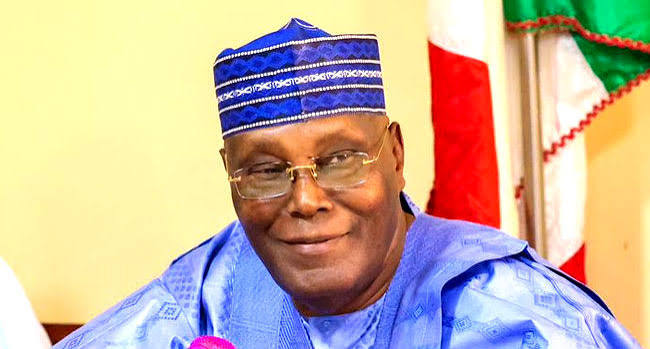
FORMER Vice-President, Alhaji Atiku Abubakar, has questioned the Federal Government’s decision to borrow N24.7 trillion from the domestic market between January and August 2026, arguing that the pace of borrowing is putting pressure on credit available to businesses.
Atiku raised the concerns in a statement issued on Monday by his Senior Special Assistant on Public Communication, Mr Phrank Shaibu.
He noted that the 2026 budget was based on an oil price benchmark of $64.85 per barrel, arguing that crude prices have since risen above the benchmark.
According to him, the increase in oil prices, combined with higher government revenues following the removal of petrol subsidies and foreign exchange reforms, should have reduced the government’s reliance on domestic borrowing.
ALSO READ: Atiku challenges Tinubu over $460,000 US forfeiture
Instead, he said, government borrowing increased by 90.5 percent compared with the N12.98 trillion borrowed during the corresponding period of 2025.
Atiku also questioned how the savings from petrol subsidy removal had been deployed, saying Nigerians should be provided with clearer information on the use of the additional revenue.
Atiku raises concern over private sector credit
The former vice-president said the government’s growing demand for funds could affect the ability of businesses to access affordable credit.
He cited figures showing that credit to government increased by 43 percent, compared with 9.6 percent growth in credit to the private sector.
Atiku argued that the disparity could indicate that government borrowing was expanding faster than lending to businesses, potentially increasing financing costs for companies.
Related Articles
He said access to affordable credit was important for manufacturers, farmers and entrepreneurs seeking to expand production, invest in new capacity and create jobs.
According to Atiku, banks could have greater incentives to lend to government when sovereign instruments offer relatively attractive returns with lower perceived risk than lending to businesses.
ALSO READ: Fayemi: Atiku’s petrol subsidy campaign is designed to win votes
He argued that higher borrowing costs could make it more difficult for companies to finance expansion and could add to production costs across the economy.
Atiku said the performance of the private sector should be an important measure of the effectiveness of economic reforms, particularly in areas such as investment, employment and access to finance.
He said an administration led by him would seek to strengthen fiscal discipline, reduce waste and gradually lower government dependence on domestic borrowing.
“After three years of sacrifice, Nigerians deserve to see what happened to the subsidy savings, the additional revenues and the crude-oil windfall,” he said.
ADC questions social intervention spending
Separately, the African Democratic Congress (ADC) has called for an investigation into the management of government cash-transfer programmes following an audit finding it said raised questions over N33.75 billion in payments to 3.29 million households.
The party’s National Publicity Secretary, Mr Bolaji Abdullahi, made the demand in a statement on Monday.
The ADC alleged that the funds could not be adequately verified and called for greater transparency in the management of social intervention programmes.
Related Articles
The party also criticised the Federal Government’s recently announced $1 billion Renewed Hope Social Protection Programme, arguing that existing concerns over accountability should be addressed before additional funds are committed.
READ ALSO: Presidency challenges Atiku to explain cost of proposed petrol subsidy
The ADC said the government should publish details of beneficiaries and payment records and investigate officials allegedly responsible for any obstruction of the audit process.
The party linked the need for expanded social intervention to the economic impact of fuel subsidy removal and naira devaluation, which it said had increased financial pressure on households.
The ADC called for a full review of the disputed payments and greater disclosure of how social protection funds are distributed.
The allegations by Atiku and the ADC come amid continued debate over the Federal Government’s borrowing programme, the availability of credit to businesses and the effectiveness of measures introduced to cushion the impact of economic reforms on households.
Tags
About the Author

Yakubu Ibrahim
Analyst
Abuja, Nigeria
Yakubu Ibrahim is an analyst who writes stories bordering on corruption, politics, and business. He has won four journalism awards and worked in two media organisations.