Adebayo pledges N200 petrol, cooking gas, jet fuel within 12 months

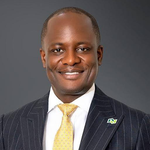
PRESIDENTIAL candidate of the Social Democratic Party (SDP), Mr Adewole Adebayo, has pledged to bring the price of petrol, cooking gas and aviation fuel down to a maximum of N200 per litre within 12 months of assuming office if elected president in 2027.
Adebayo made the pledge in Abuja during an interview with the News Agency of Nigeria (NAN), saying his administration would pursue a domestic refining strategy aimed at reducing Nigeria’s dependence on imported petroleum products.
He said the plan would involve rehabilitating the country’s existing refineries while supporting modular refineries to expand local refining capacity.
According to him, the age of Nigeria’s refineries should not prevent their restoration, pointing to older refineries in the United States that remain operational.
The SDP candidate said his proposed pricing framework would cover three products – petrol, cooking gas and Jet A1 – with government policy designed to prevent their prices from exceeding N200 per litre.
Adebayo also proposed allocating about 450,000 barrels of crude oil daily for domestic refining, describing the arrangement as a return to what he called the original subsidy framework.
Under his proposal, he said, refined petroleum products including naphtha, heavy fuel oil, diesel and kerosene would be sold, with proceeds channelled towards sustaining the pricing mechanism.
He said an SDP administration would work with the National Assembly to create a legal framework for using revenue generated from other petroleum derivatives to support the scheme.
Adebayo argued that Nigeria’s focus should shift from importing refined products at international prices to developing enough domestic refining capacity to meet local demand.
He said the country has the two critical assets required to achieve this: crude oil resources and existing refining infrastructure.
The presidential candidate also dismissed the argument that the removal of petrol subsidy alone would solve Nigeria’s fiscal challenges, describing the position as a distraction from deeper structural problems in the petroleum sector.
Beyond petroleum prices, Adebayo outlined a broader economic programme centred on reducing the cost of transportation, housing, education and healthcare.
He proposed a public transportation system that would combine cheaper petroleum products with expanded bus and rail services, with workers and students accessing transport through their employment and student identification cards.
Under the proposal, employers would contribute six percent of workers’ salaries towards transportation costs, while housing expenses would be capped at seven percent of salaries.
He also promised free education and healthcare, saying the measures would reduce household expenses and boost economic activity.
Adebayo said agriculture and food security would equally receive priority, with his administration seeking to increase food production and make basic food items more affordable for Nigerians.
Tags
About the Author

Yakubu Ibrahim
Analyst
Abuja, Nigeria
Yakubu Ibrahim is an analyst who writes stories bordering on corruption, politics, and business. He has won four journalism awards and worked in two media organisations.