Governance crisis deepens at Ojukwu varsity over VC appointment, contracts, staff dismissals
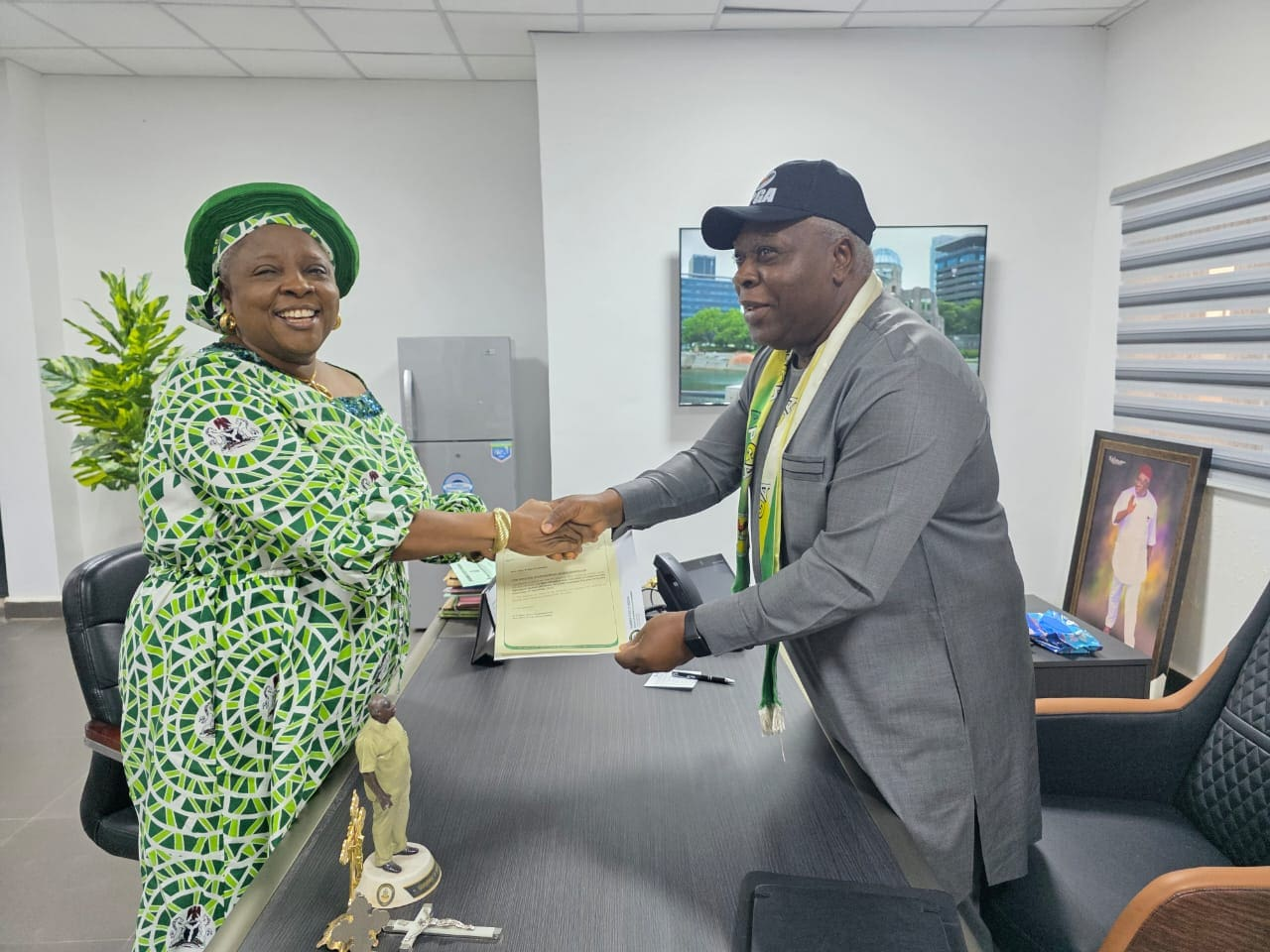
A DEEPENING governance crisis at Chukwuemeka Odumegwu Ojukwu University (COOU), Anambra State, has raised fresh questions over the appointment of its Vice-Chancellor, Prof. Kate Azuka Omenugha, the handling of university contracts, disciplinary actions against lecturers and the management of research funds, an investigation by The ICIR shows.
The controversy centres on Omenugha’s confirmation as substantive vice-chancellor in August 2025 after she had served as acting vice-chancellor since November 2023.
Documents reviewed in the investigation showed that Omenugha was ranked fifth among six candidates who scored above 70 per cent in the selection exercise conducted by a joint committee of the university’s Governing Council and Senate.
Prof. Patrick Osegbue emerged first with 83.14 per cent, followed by Prof. Leonard Onuba with 81.28 per cent and Prof. Chukwudi Okani with 78.14 per cent.
Omenugha scored 74 per cent. Despite the ranking, the university’s Visitor, Governor Chukwuma Soludo, confirmed Omenugha as substantive vice-chancellor, arguing that his powers under the university law allowed him to consider the committee’s recommendation without being restricted to it.
READ ALSO: Education minister queries FUTO VC over appointment of 24 aides
The decision triggered a dispute over whether the Visitor could lawfully depart from the order of merit produced by the selection committee.
The former Pro-Chancellor and Chairman of the Governing Council, Prof. Chidi Odinkalu, subsequently rejected the governor’s decision, arguing that the university’s 2014 law required the council to recommend the candidate who emerged first.
Odinkalu later left the council, saying remaining in office would amount to “abetting illegality and manifest arbitrariness.”
The dispute has since moved into the courts. Osegbue, who emerged first in the selection exercise, filed a suit at the National Industrial Court challenging Omenugha’s appointment and asking the court to declare him the duly appointed vice-chancellor.
At a hearing in July 2026, counsel to Osegbue urged the court to invalidate Omenugha’s appointment, while counsel to Omenugha and Governor Soludo maintained that the appointment complied with the law and that the governor exercised his lawful discretion.
The National Industrial Court has fixed October 15, 2026, for judgment. The appointment dispute has been compounded by a separate judgment of the Anambra State High Court in Otuocha, which affirmed Omenugha’s appointment and restrained university officials and staff from taking actions capable of obstructing her duties.
Odinkalu has questioned the jurisdiction of the state high court over the matter, arguing that the case was filed after the National Industrial Court proceedings had commenced.
Lecturer dismissed after challenging appointment
The governance dispute escalated further in 2026 when Osegbue was suspended and later dismissed by the university. The university accused him of misconduct and insubordination, including failing to teach a postgraduate course.
Osegbue, however, said his disciplinary action was connected to his challenge of Omenugha’s appointment. He maintained that the postgraduate students involved had not met the university’s attendance requirements and that he could not teach or examine students who had failed to meet the stipulated academic conditions.
His lawyers also challenged the composition of the disciplinary committee, arguing that it had not been properly constituted under the university’s governing law.
The university subsequently dismissed Osegbue alongside other staff members for alleged misconduct.
Omenugha has denied that the dismissal was motivated by the VC appointment dispute, arguing that other candidates who contested the position continued to hold senior positions within the institution.
Procurement allegations raise conflict-of-interest concerns
Beyond the appointment controversy, allegations surrounding procurement have intensified scrutiny of the administration.
The ICIR reported that Omenugha, as chairman of the university’s Tenders Board, allegedly influenced the award of contracts involving companies linked to relatives and associates.
One of the cases concerns a 2024 agreement between the university and Koncioo Enterprises Ltd for the exclusive supply of sachet water at the Igbariam campus.
Corporate Affairs Commission records cited in the investigation list Omenugha and seven of her children as persons with significant control in the company.
The arrangement later broke down following a disagreement over transportation costs. The investigation also raised questions about the subsequent introduction of another brand of table water, B-Orient, at the university and allegations that traders were pressured to sell the product.
A petition was submitted to the Economic and Financial Crimes Commission (EFCC) over the matter, although the university said it had not been informed of any such investigation at the time.
N4bn TETFund projects under scrutiny
The university’s handling of about N4 billion in TETFund intervention funds has also come under scrutiny. The money was allocated for a 2,000-seat auditorium, library and landscaping and furnishing works.
The auditorium and library contracts were awarded to Fibelle & Mibble Ltd for about N1.46 billion and N1.43 billion respectively, while other contracts were awarded for landscaping and furnishing.
According to the investigation, the companies involved in some of the contracts were linked to businessman Paul Chukwuma, who contested the 2025 Anambra governorship election on the platform of the Young Progressives Party.
Another company appointed as principal consultant was linked through CAC records to Okoh Benjamin Osita, identified as the Enugu State commissioner for works.
READ ALSO: Ubongo launches Nigeria campaign to expand educational content to children
The projects were originally scheduled for completion by June 2025. However, an inspection found the auditorium and library projects were only partially completed, with several components of the buildings still outstanding.
The university denied that the projects had been abandoned, saying construction was proceeding according to funds released by TETFund.
Research grants trigger ICPC probe
The controversy has also extended to research funding. In 2024, 75 COOU researchers received between N1.6 million and N2 million each under TETFund’s Institutional Based Research intervention.
It was reported that beneficiaries were instructed to remit 50 percent of the funds received into an account and another 10 percent into a university donation account.
Some researchers reportedly complied, while others refused to make the payments. The Independent Corrupt Practices and Other Related Offences Commission (ICP subsequently invited researchers in July 2026 to answer questions concerning the use of the grants and payments allegedly made from the funds.
One researcher said investigators asked beneficiaries how much they received, how much they paid and why the payments were made.
The university administration has faced growing pressure to explain the allegations and clarify how research funds were administered.
Students complain over additional charges
The governance concerns have also spilled into student affairs, with students reporting multiple charges for academic and administrative services.
Students complained about payments for departmental brochures, General Studies courses and other services, as well as delays in the release of examination results.
The university also introduced a N15,000 annual information and communication technology charge through its Student Life Cycle Portal.
Omenugha defended the charge as an investment in the university’s digital infrastructure.
But students questioned the fee, saying the university already operated online systems for registration and checking results before the new platform was introduced.
The ICIR also reported that some General Studies payments were made into private accounts, raising further questions over the university’s financial controls.
Government, university reject allegations
The Anambra State Government has defended Omenugha’s appointment, insisting that Soludo acted within his powers as Visitor.
The governor’s Chief Press Secretary, Christian Aburime, said the governor selected the candidate he considered capable of transforming the institution.
The government has also accused Odinkalu of attempting to manipulate the VC selection process in favour of a preferred candidate.
The university, meanwhile, has denied allegations of wrongdoing and defended the administration’s actions.
Its Public Relations Officer, Harrison Madubueze, said the institution was not responsible for advertising TETFund projects, arguing that such responsibility rested with TETFund.
However, several questions sent to the university concerning the alleged conflict of interests, contract awards, incomplete projects and other financial issues remained unanswered.
The university’s official website currently identifies Omenugha as its vice-chancellor and highlights her administration’s focus on digital transformation, staff welfare and academic development.
With the National Industrial Court expected to rule on the disputed appointment in October, the controversy has evolved from a leadership succession dispute into a broader test of governance, institutional accountability and adherence to public sector procurement and university laws at COOU.
Tags
About the Author

Stella Odiche
Researcher-Reporter
Lagos, Nigeria
Stella Odiche is a researcher and reporter. She lives in Lagos and reports topics such as aviation, oil and gas, banking and general business. She is award-winning journalist and wideliy travelled researcher.